
How to Search Waseca County Traffic Court Records
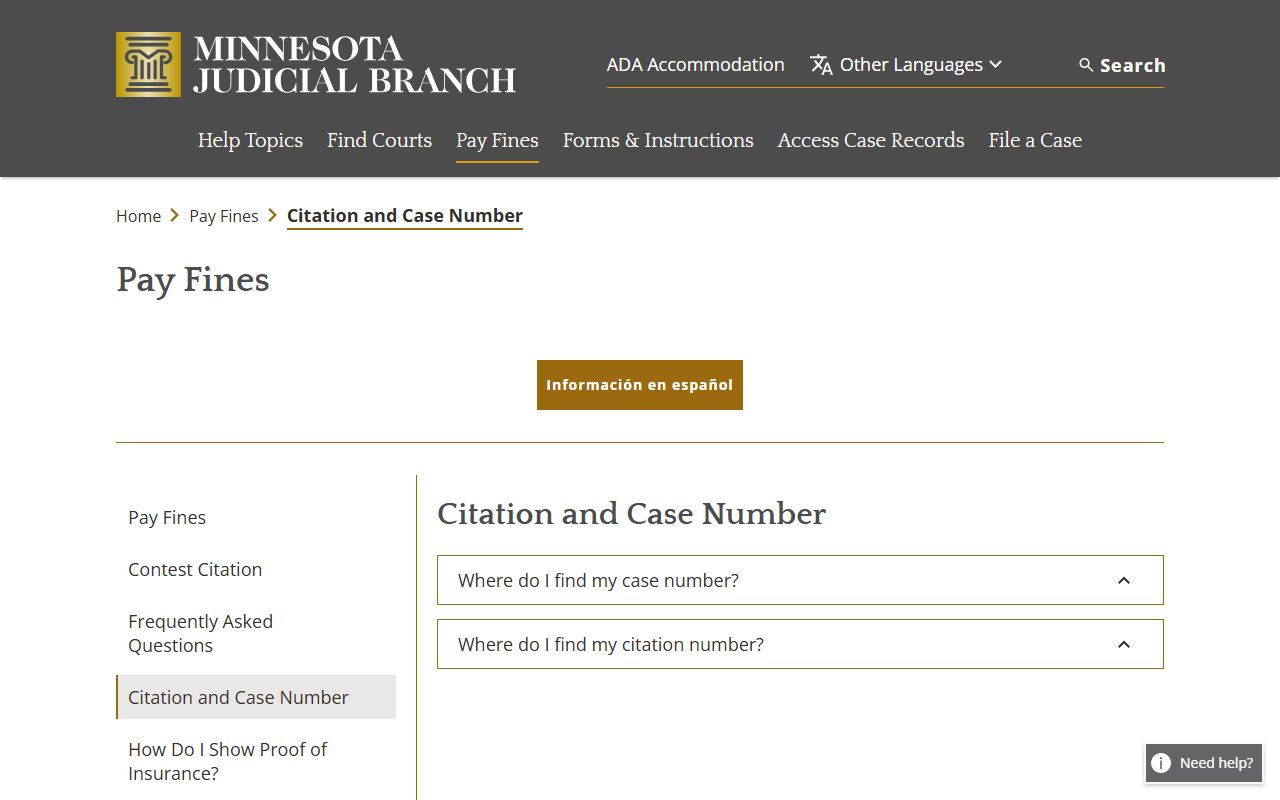
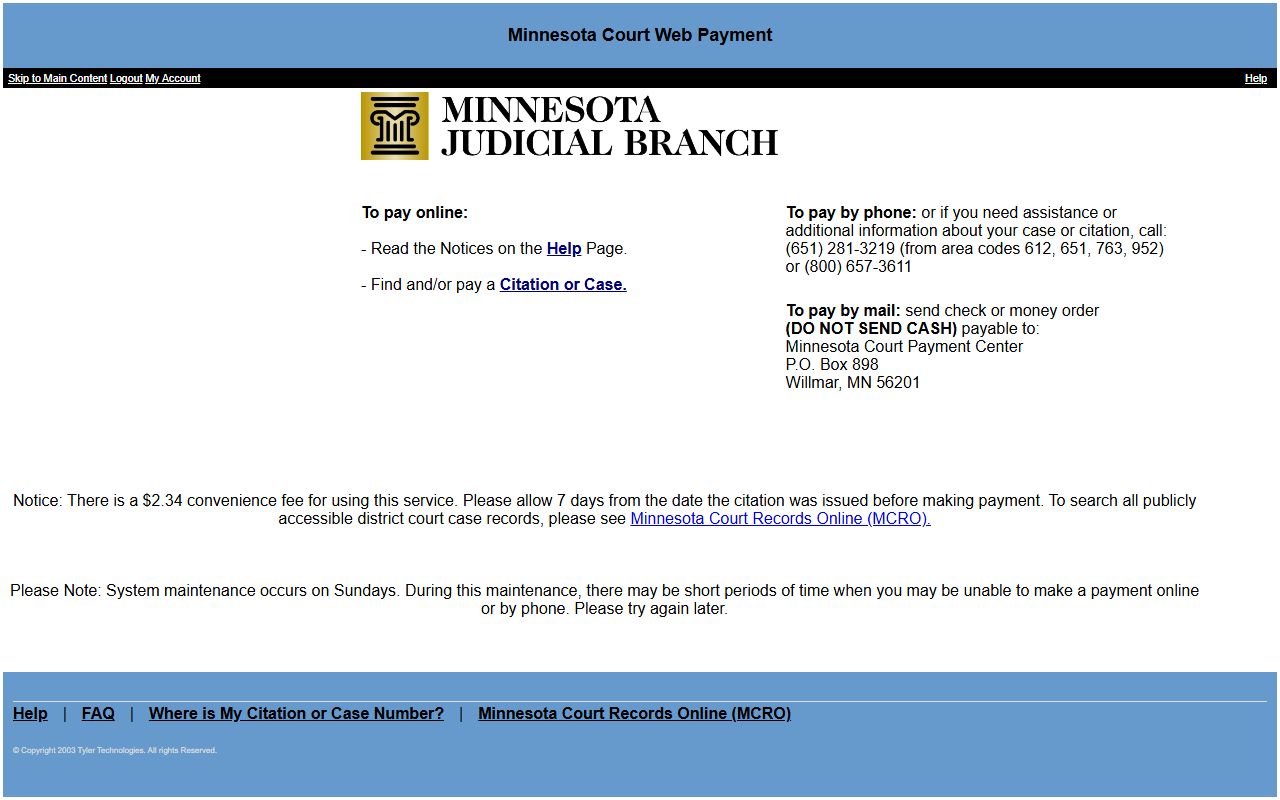
Start with the citation number if you have it. If not, search by name or case number in MCRO. For payment questions, use Minnesota Court Web Payment. Waseca traffic cases are district-court matters, and the public view can show whether the citation was paid, dismissed, or scheduled for hearing. If you only have the ticket, the citation number is the quickest way in because it ties the case back to the traffic file and the court payment system.
- Open MCRO or Court Web Payment.
- Enter the citation number or name.
- Check the case type and hearing date.
- Review the fine, status, and any appearance requirement.
Source: Minnesota citation and case number help.
Which Courts Handle Traffic Cases in Waseca County
Waseca does not use a separate local justice-court system for ordinary traffic matters. Traffic citations generally move through district court. The local court calendar shows the hearings and courtroom assignments when a citation is set for court.
| Court | Traffic Cases Handled | Address |
|---|---|---|
| Waseca County District Court | Traffic and violations-bureau style cases | 307 N State St, Waseca, MN 56093 |
| Minnesota Court of Appeals | Appeals | Statewide appellate system |
Types of Traffic Cases on Record
Traffic court records can involve moving violations, equipment issues, no-insurance citations, commercial vehicle matters, and cases that require a court appearance. DUI and DWI cases usually move into criminal court instead of staying in traffic court.
- Moving violations - speeding, lane, and right-of-way style offenses.
- Non-moving violations - equipment and registration issues.
- Commercial vehicle / CDL matters - cases with extra consequences.
- DUI / DWI - usually criminal court rather than traffic court.
What Waseca County Traffic Court Records Show
A traffic case record usually shows the citation number, charge or statute, court date, disposition, and fine. If the matter is set for hearing, the docket may also show the judge, courtroom, and appearance type.
| Field | What It Shows |
|---|---|
| Citation Number | The ticket or case reference number. |
| Charge / Statute | The traffic law that was cited. |
| Court Date | When the case is scheduled. |
| Disposition | Paid, dismissed, or otherwise resolved. |
| Fine Amount | The amount owed if applicable. |
Source: Minnesota Court Web Payment.
Paying or Contesting a Waseca County Traffic Ticket
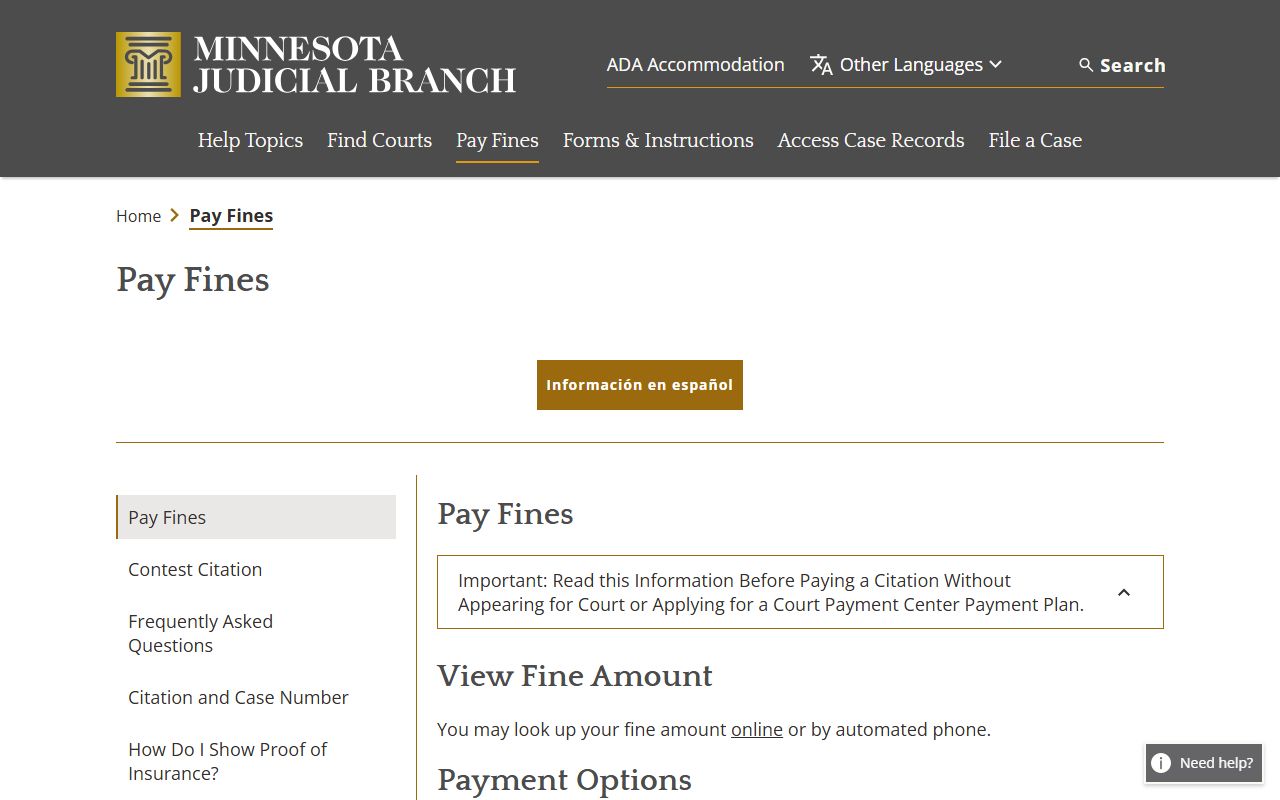
Paying a citation is not the same as ignoring it. In many cases, payment is treated as a guilty plea. If you want to contest the ticket, you need to follow the court date instructions instead of paying online. Proof of insurance issues should be corrected before payment when required. If a hearing is set, the docket and the calendar are the better tools than the payment page.
Source: Minnesota pay a fine page.
Public Access Laws for Traffic Court Records
Minnesota public-access rules and traffic statutes control Waseca traffic case access. The citation number often appears on the ticket, and the state payment system can process some cases after the court has received them.
Key Statutes:
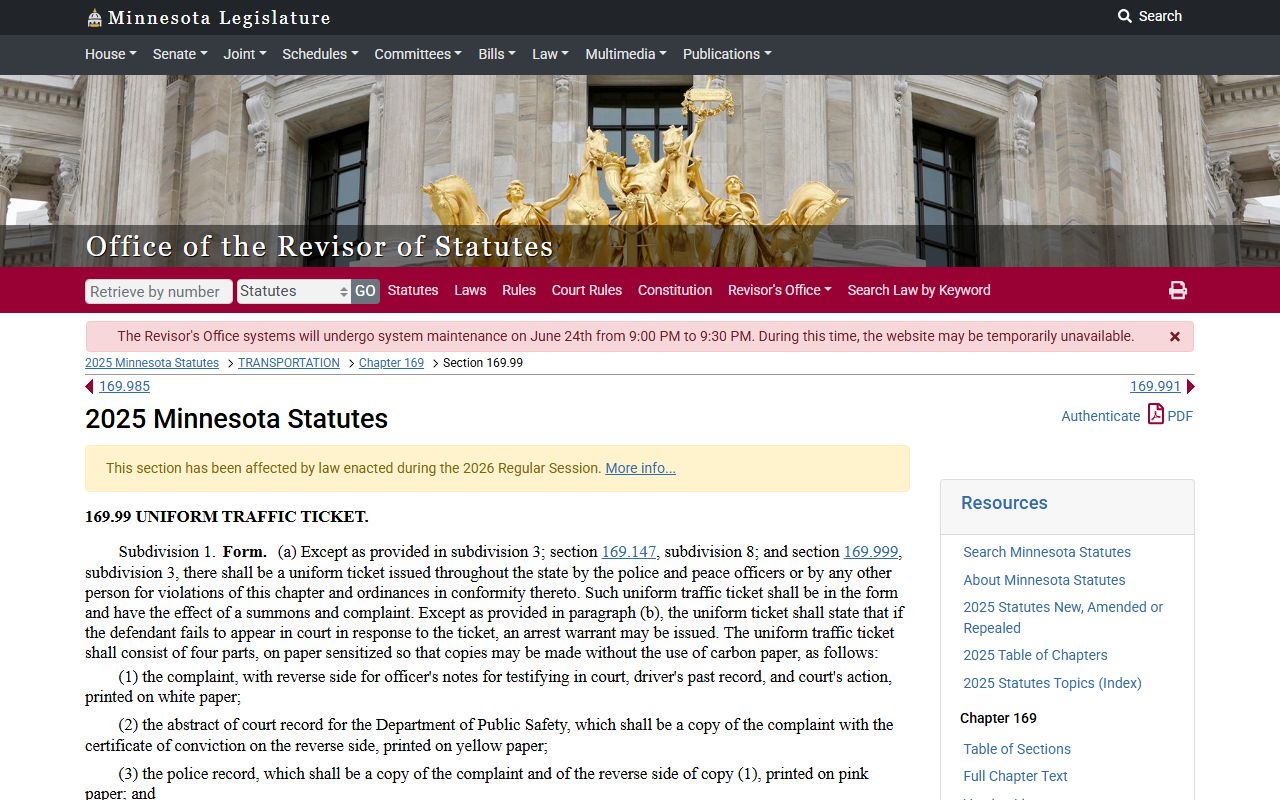
Minn. Stat. 169.99 - uniform traffic ticket rule.
Citation and case number help - where to find the citation number.
Court Traffic Records vs State Driver Records
The court record shows the citation case. The state driver record shows driving-history and licensing information. They are related, but they are not the same file. A Waseca citation can affect both, but each record is held by a different office and updated on its own schedule.
| Record Type | Source | What It Shows | How to Access |
|---|---|---|---|
| Court Traffic Record | Waseca District Court | Case details, disposition, fine | MCRO / court administration |
| State Driver Record | DPS / DVS | Convictions, points, license status | DVS request portal |
Source: Minn. Stat. 169.99.
CDL and Commercial Driver Records
Commercial drivers face extra consequences and often cannot treat a citation like a routine local ticket. Waseca traffic cases that involve a CDL should be checked carefully before payment or court appearance decisions are made.
DUI / DWI Cases
DUI and DWI matters usually move to criminal court, not ordinary traffic court. For the criminal side of a DWI case, see the arrest and criminal pages.
Fees for Traffic Record Copies
Traffic record copies and certifications follow the court fee schedule. Certified copies cost more than plain copies, and state driver-record fees are separate.
Failure To Appear and Driver Consequences
If a Waseca traffic case is ignored, the result can shift from a simple citation to a missed-court issue or warrant path. That is why the court date matters even when the fine looks small. A ticket paid on time and a ticket ignored on time do not lead to the same result, and the docket is where that difference shows up.
The state driver record is also separate from the county court file. If the case affects a license status, DVS records and court records may change on different schedules. For Waseca users, that means the county case, the payment page, and the driver record all need to be checked if the question is serious enough to affect driving privileges. The citation is the trigger, but the court case and the state record are the long-term trail.
Traffic Case Timeline
A Waseca traffic case usually starts with the citation, then moves to a court date, then resolves by payment, dismissal, or appearance. If the citation is paid early, the court may not need a hearing. If the ticket is contested, the hearing date becomes the key record and the docket will show the next step.
The timeline matters because the same citation can sit in several places at once. The ticket itself shows the initial stop, the court file shows the public case, and the payment system shows whether the fine was paid. When those records do not match yet, the most current one is usually the docket or payment portal, not the paper ticket.
When A Ticket Turns Into A Court Problem
If the driver misses a deadline, a traffic citation can become a court appearance issue, a collection issue, or a warrant-related issue. That is why the public record search should always check the hearing instructions before treating the case as closed. In Waseca County, the district court and the payment portal are the two places that show whether the citation has moved past the simple fine stage.
For local users, the cleanest rule is to keep the citation number handy and verify the case status before taking any action. The citation tells you where the case began, but the docket and payment record tell you where it ended up. That distinction keeps the county record search accurate when the driver record and the court record are both involved.
Payment And Hearing Tips
If the citation offers a payment option, check whether payment closes the case or counts as an admission. If a hearing is listed, do not rely on the payment page alone. The docket is the better place to confirm the event that the court expects next.
Waseca traffic users usually need only three details to stay on track: citation number, court date, and payment status. Those three fields tell the rest of the story without mixing the court record with the driver record.